


An LLM visibility tool tracks how often, and how accurately, AI systems like ChatGPT, Claude, Gemini and Perplexity mention a brand when answering real user prompts. The best llm visibility tools do three things well: run a large enough prompt sample to be statistically meaningful, break results out by engine instead of blending them into one score, and turn what they find into something you can act on rather than just a dashboard to admire.
What an LLM Visibility Tool Actually Measures
At its core, an llm visibility tracker runs a set of realistic prompts against one or more AI engines, then records whether your brand was mentioned, how it was described, and whether your domain was cited as a source. That last part matters: mention tracking and citation tracking are related but distinct. A brand can be described from a model's training data without any live source being cited, and it can also be cited directly from a crawled page. Good tools separate the two, and report both a mention rate and a citation rate rather than folding them into one number.
According to Birdeye's 2026 review of LLM visibility platforms, ChatGPT coverage is table stakes now - the differentiator is whether a tool also tracks Google AI Mode, AI Overviews, Perplexity, Claude and Copilot as separate, independently reported channels. A platform that only reports ChatGPT results is answering a narrower question than most brands actually need answered.
How Many Engines Should LLM Tracking Tools Cover, and Why a Blended Score Hides Gaps
This is the single most important methodology question to ask a vendor before buying llm visibility software. A study of 3.7 million AI citations, summarized by AirOps' 2026 guide to LLM brand citation tracking, found that 91% of cited URLs appeared in only one LLM. In practice that means a brand can be strongly cited on Perplexity and functionally invisible on ChatGPT, and a blended "visibility score" will never show you that gap - it will just report a mediocre average that hides both the win and the problem.
This is also the direct answer to a question worth asking before you buy: can strong visibility on one AI engine predict performance on another engine? Based on the citation-concentration data above, no. Strong visibility on one AI engine does not reliably predict performance on another engine, because each model retrieves and weighs sources differently. Treat each engine as its own measurement, not a proxy for the rest.
If a tool cannot show you a per-engine breakdown on demand, treat its headline score with suspicion. Ask for the raw split before you sign a contract.
Prompt Sample Size and Scan Frequency: The Questions Vendors Don't Volunteer
AI responses to the same prompt vary run to run, sometimes significantly, which means a handful of test queries is not a measurement - it's a coin flip. Per an analysis referencing Ahrefs' 1.4-million-prompt study, LLMs typically retrieve around 16 candidate URLs per prompt before generating an answer, and roughly 80% of ChatGPT citations never rank in Google's top 100 results at all - meaning classic search-rank tracking cannot substitute for direct LLM query tracking.
Scan cadence is the other quiet variable. Zapier's 2026 roundup of AI visibility tools notes that while most platforms run daily scans, some run only weekly, which stretches your feedback loop from days to nearly a month. If you're actively working on GEO fixes, a weekly scan cadence means you wait weeks to learn whether a change worked.
Tracking-Only vs. Fix-and-Track: Why the Difference Between Them Matters
Most of the current market - including well-known names like Otterly AI, Scrunch AI and Peec AI - is built to measure and report, not to act. That's a legitimate product to buy if your team already has an in-house workflow for schema markup, entity structuring and content restructuring. But if you're buying a tool hoping visibility will improve on its own, a tracking-only platform will just give you a more precise picture of the same problem, month after month.
The key difference between a tracking-only tool and one that also fixes issues is what happens the moment a gap is found. A tracking-only tool logs the gap and leaves interpretation to you. A tool built to fix issues turns that same gap into a specific, prioritized recommendation - restructure this section, add this schema type, cite this source - so the team doesn't have to reverse-engineer what the data means. The better question to ask a vendor isn't "which engines do you track," it's "when your tool finds a citation gap, what does it tell me to actually change on the page." Some platforms, AI Rank Lab's citation analytics feature included, pair the tracking data with a prioritized fix queue rather than leaving the interpretation entirely to you.
How LLM Visibility Tools Relate to Generative Engine Optimization (GEO)
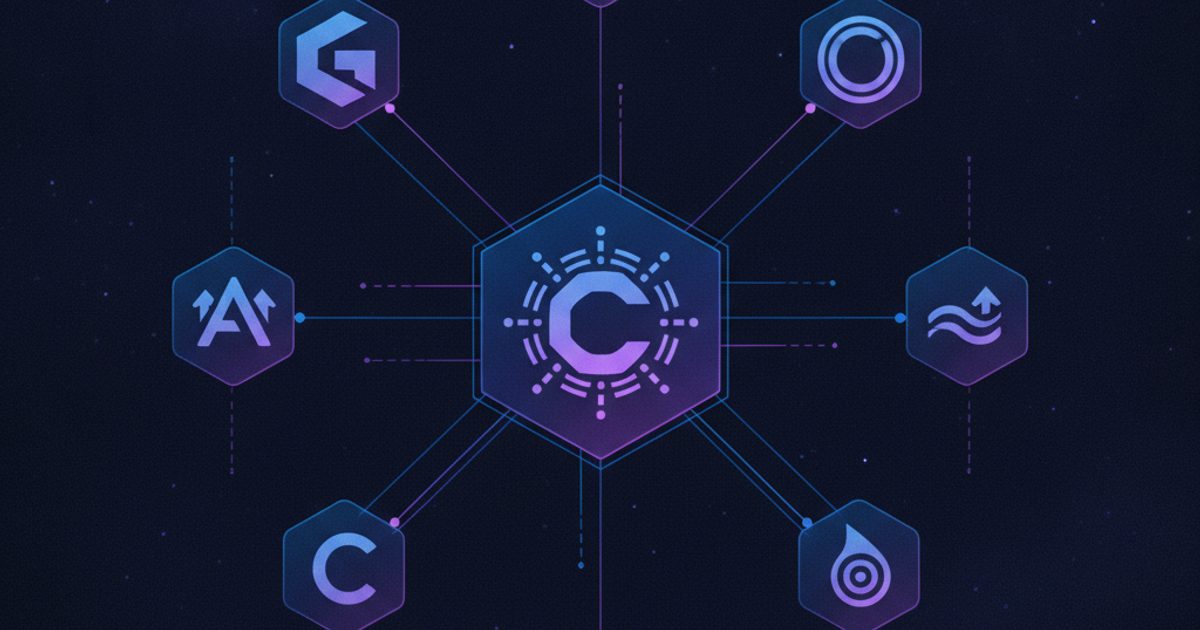
An LLM visibility tool is the measurement layer; generative engine optimization (GEO) is the practice built on top of it. The tool tells you where the citation gaps are - which engine, which prompt, which competitor is cited instead of you. GEO is the work of closing those gaps: restructuring content into more extractable blocks, adding or correcting schema markup, strengthening entity signals, and building the kind of first-hand, sourced content that AI engines are more likely to cite. A visibility tool without a GEO practice behind it just produces a more precise record of a problem that never gets solved. The relationship only pays off when tracking data feeds directly into a prioritized list of on-page and technical changes, then the next scan shows whether those changes moved the number.
Common Pitfalls When Choosing LLM Tracking Tools
The biggest pitfalls when choosing LLM tracking tools tend to repeat across teams that pick the wrong platform for their needs:
- Trusting a single proprietary score without access to the underlying prompts, raw answers, and per-engine citation data behind it.
- Fragile scraping setups that quietly break when a vendor changes their interface, producing silent gaps in historical data.
- Buying tracking-only software and expecting visibility to improve without a paired GEO workflow to act on what it finds.
- Ignoring scan cadence and ending up on a weekly refresh when the team needs a daily one to iterate quickly.
- Judging coverage by a marketing page instead of asking for the exact prompt volume and engine list in writing before signing.
What the Category Looks Like Right Now
The top of this market has gotten well-funded and enterprise-focused. Profound, for example, raised a $96 million Series C at a $1 billion valuation in February 2026 and now serves more than 700 enterprise customers - a sign the category has matured past early-stage tooling into serious infrastructure spend for large brands. Smaller, self-serve platforms exist at the other end of the market for individual sites and small teams, generally at a fraction of the price and with narrower engine coverage.
Citation patterns also differ meaningfully by which sources each model favors, per Contently's 2026 analysis of the sources LLMs cite most - another reason per-engine reporting, not a single aggregate number, is the feature worth paying for.
A Short Evaluation Checklist Before You Buy
- Per-engine breakdown: can you see ChatGPT, Claude, Gemini, Perplexity and AI Overviews results separately, not just blended?
- Sample size: how many prompts run per scan, and are they run from the actual chat UI or only the API (which can behave differently)?
- Scan cadence: daily or weekly? Daily is the only cadence that supports fast iteration.
- Citation vs. mention: does it distinguish a live source citation from a training-data mention?
- Track vs. fix: does it end at a dashboard, or does it prioritize concrete content and schema changes?
- Data access: can you see the underlying prompts and raw answers, or only a proprietary score?
A platform that can answer all six clearly, in writing, before you sign anything, is worth taking seriously. One that can't is asking you to trust a black box. If you want to see what a fix-and-track approach looks like in practice, AI Rank Lab's plans and free AEO/GEO audit tool are a reasonable place to compare against whatever vendor you're currently evaluating.
अक्सर पूछे जाने वाले प्रश्न
What does an LLM visibility tool actually track?▾
How many AI engines should an LLM visibility tracker cover?▾
Why does citation accuracy matter more than a single visibility score?▾
How many prompts do LLM visibility tools need to track for a meaningful read?▾
What is the difference between a tracking-only tool and one that also fixes issues?▾
How often should LLM visibility software re-scan?▾
How does an LLM visibility tool relate to generative engine optimization (GEO)?▾
Can strong visibility on one AI engine predict performance on another?▾
Get a Free AI Ranking Consultation
Want to improve your brand's visibility in AI search engines like ChatGPT, Gemini, and Perplexity? Fill out the form and our experts will create a personalized strategy for you.

द्वारा लिखित
Devanshu
Chief Marketing Officer & AI Search Optimization Architect
Digital Marketing Strategist & Pioneer in SEO, Answer Engine Optimization (AEO), and Generative Engine Optimization (GEO).


